
Cabinet Buying Near McDonough, GA
Bring your project details together before considering a cabinet purchase.
Send my cabinet inquiry
Or call (562) 203-3232. Calls only, we do not receive text messages.

Project location changes the buying questions
The examples concern a corner arrangement, coordinated pickup, and new goods beside an existing finish. They are hypothetical tasks, not descriptions of local property types or buyer habits. The owner records inquiries for review. Any actual supply, fulfillment, related work, or potential contact introduction requires the relevant party's acceptance and permission where information is shared.
About McDonough Cabinet Plan
Know who handles each part
Independent cabinet buying information and quote-request service. We do not manufacture, stock or install cabinets. A referral, supplier response, appointment or purchase is not guaranteed. Product availability, delivery and installation must be confirmed directly with the seller or separately engaged contractor.
Local buying information
Local buying guides
Separate public plan identity from a private offer
The supplied DCA plan index maintains separate records for Henry County and named cities. The local ledger identifies distinct 2023 entries for Stockbridge, Hampton, and Locust Grove. These are source-backed identities, not product or property findings.
A seller's proposal must identify the actual project and fulfillment assumptions independently. Public plan titles do not establish cabinet stock, delivery territory, freight, or approval rules. If you move a project or consider another destination, ask the seller what changes in its offer. Do not carry acceptance from one locality into another without confirmation.
Use the actual address information needed at the relevant stage and label any uncertainty. The county or town name cannot replace room measurements or access observations. A clear project identity helps people discuss the same transaction while the specific facts still need their own evidence.
Stockbridge: a corner choice changes the product questions
The Stockbridge exercise follows a hypothetical buyer comparing two ways to use a kitchen corner. It asks how the offered units and adjoining fronts operate, what storage they provide, and which pieces complete the arrangement. The example does not establish a typical local kitchen layout.
Bring the actual corner observations, retained appliance information, and proposed product documents. A catalog corner-unit name may not describe every edge or operational relationship. Ask what the seller offers for your intended combination and what must be verified before ordering. An attractive storage diagram is not field approval.
The distinct Stockbridge plan record supports naming the locality in the inquiry, while the purchasing question comes from the buyer's actual room. A recipient must separately accept consideration. The directory does not provide an approved design, an inventory position, or a guaranteed seller for that corner arrangement.
Hampton: coordination does not erase separate handoffs
The Hampton article considers a hypothetical coordinated pickup involving goods for two households. Its question is how each order remains identifiable while transport and receiving are discussed. That task is selected for the guide and is not a claim about Hampton access, rural properties, or how residents normally shop.
Ask the seller whether any coordinated collection is available and what its terms require. Each actual purchaser and shipment reference must remain clear. A shared vehicle intention does not prove the load arrangement is suitable or establish that the seller will combine transactions. Obtain the relevant accepted responsibilities.
Hampton's separately listed plan update is the source-supported local fact. No directional geography or driveway stereotype is needed to make the exercise useful. The buyer should give the responsible party observations and shipment information for the actual arrangement, rather than infer it from a town label.
Locust Grove: matching existing goods needs its own evidence
The Locust Grove exercise follows a hypothetical buyer placing new cabinet goods near retained units. It examines what matching means and whether the buyer instead wants a deliberate coordinated difference. A familiar finish name cannot establish the actual appearance together or the product relationships involved.
Identify the retained materials where possible and obtain the proposed new product evidence. If the old reference is unknown, preserve that limitation. Ask which facts the seller or professional needs to assess the intended relationship. A small sample can inform appearance preference while leaving compatibility and construction unanswered.
The separate Locust Grove plan record gives the article a grounded locality identity. It does not establish a local finish preference, housing era, or seller premises. The exercise remains hypothetical until applied to the actual property and offer. Any appearance assurance must come from evidence for that combination.

Cost estimates when the project context changes
No observed prices for the three localities appear in the supplied bank. If you compare destinations or buying arrangements, preserve the product selections and ask the seller to identify changed fulfillment terms. If the room changes, identify changed units too. Otherwise a difference in total can be mistaken for a locality price effect.
For a corner alternative, coordinated pickup, or matching question, request the actual offered scope and identify outside tasks. A new address, second buyer, or retained component can create an open responsibility without an established charge. Mark it unknown until the relevant party offers terms rather than treating the directory as a tariff.
Project-context estimates are subject to change with the accepted room, purchaser, and fulfillment assumptions; the seller's written quote must establish its actual amount and scope. Independent work needs separate documented terms. A public plan record cannot preserve a price or guarantee provider availability in any of the named localities.
Preserve the current project in the inquiry
State which locality identifies the project, then describe its buying question separately. Include the current record and say what changed if the inquiry follows an earlier discussion. A receiver or seller should not have to guess whether the old destination, unit list, or purchaser still applies.
The owner records and reviews submitted details. Explicit permission is needed for a possible contact sharing, and a recipient must independently accept consideration. There is no automatic locality-based supplier assignment. The directory supplies information topics without proving an accepted commercial network.
Before buying, bring confirmed answers into the actual seller documents. Keep the accepted product scope, destination, responsibilities, and version aligned. Use property-specific responses from relevant authorities where an approval question affects the work. The locality source identifies places, while the transaction evidence must establish the proposed purchase.
Illustrative product choices
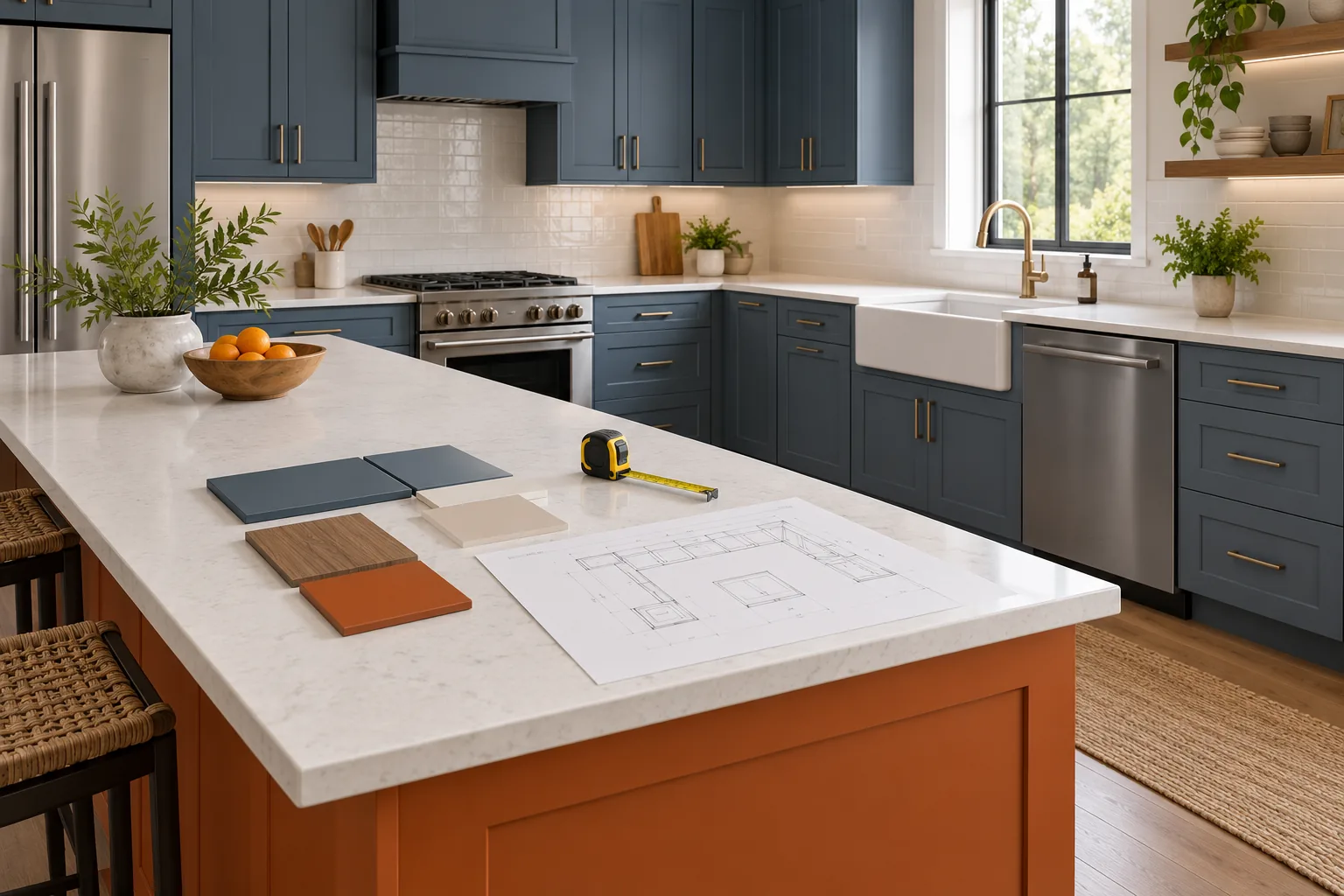
Illustrative product visualizations, not completed work, local properties or supplier facilities.
Questions
Coverage questions
Can one accepted destination be replaced without asking the seller?
Confirm the revised destination and fulfillment terms with the seller before relying on its earlier acceptance. Product selections can stay constant while handling or territory questions change. The public plan index does not determine how a private offer carries between addresses.
Are the three scenarios local household characteristics?
They are hypothetical purchasing exercises chosen to give each article a distinct question. The sources support separate plan identities, not corner layouts, coordinated shopping habits, or finish preferences. Apply the method that matches your actual project while keeping its facts accurate.
Does Hampton's guide rely on rural access assumptions?
It uses actual shipment and coordinated-handoff questions without asserting a local driveway or road pattern. Provide observed destination conditions when the relevant party asks for them. A locality name cannot establish that a vehicle or receiving arrangement is suitable.
Will a locality entry secure a supplier introduction?
The owner reviews the inquiry rather than automatically assigning a provider. A possible handoff requires permission and independent recipient acceptance. The directory does not verify stock, delivery, labor, or a response for every named project.
Talk to us about your project
Describe the purchase and project ZIP in McDonough. Supplier acceptance and any referral are confirmed separately; no visit or quote is booked by this form.
Calls only, we do not receive text messages.