
Cabinets in McDonough, GA
Decide what you need to check before accepting a cabinet purchase proposal.
Send my cabinet inquiry
Or call (562) 203-3232. Calls only, we do not receive text messages.
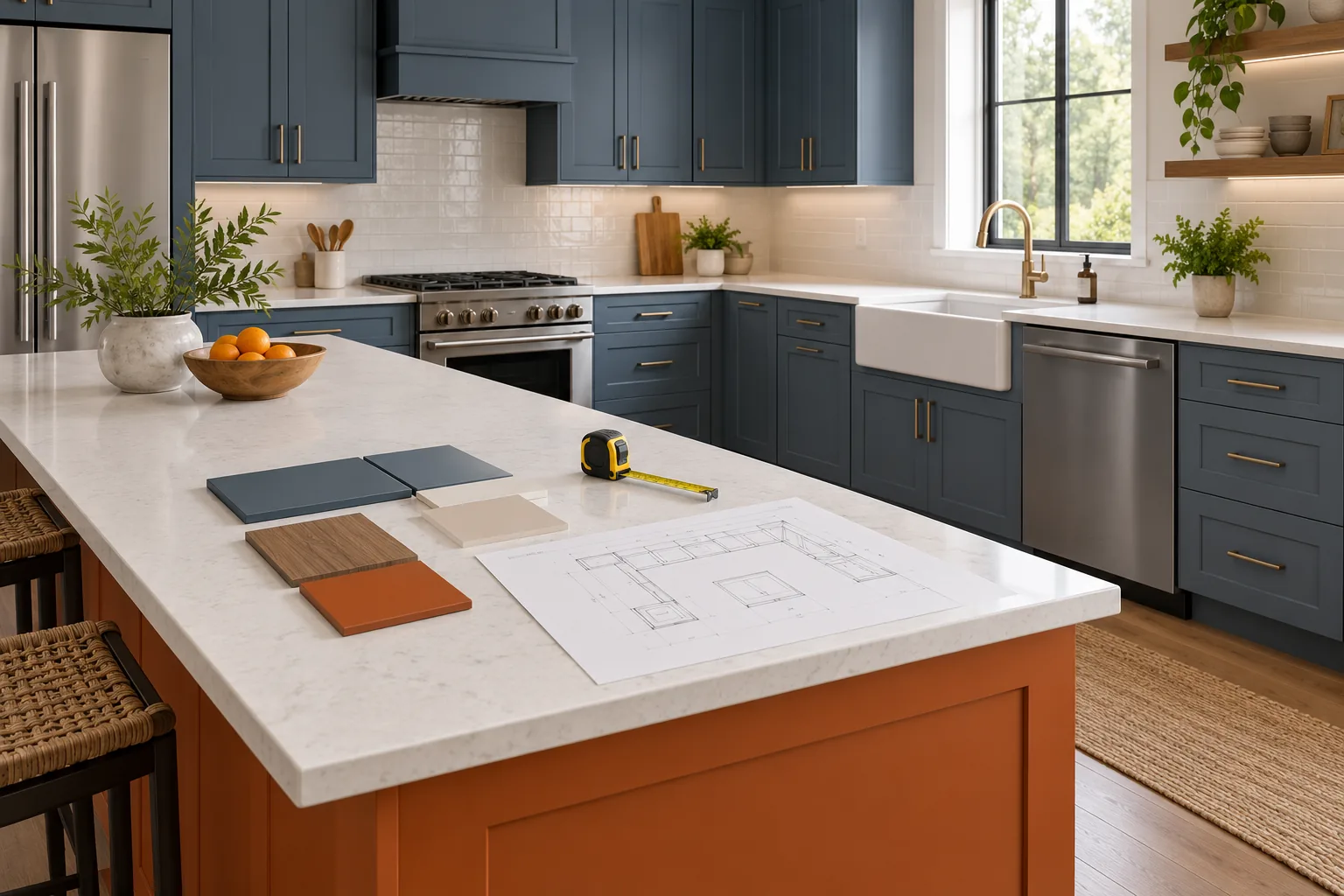
Cabinet product illustrations
Illustrative product visualizations, not completed work, local properties or supplier facilities.


Prepare the purchase before choosing a supplier
The example follows a hypothetical kitchen buyer keeping some existing units and considering new storage elsewhere. The site provides independent buying information, and the owner records inquiries for review. Neither reading a guide nor submitting details establishes a seller relationship, a product reservation, or labor. The useful result is a sequence of questions tied to the purchase you actually intend.
About McDonough Cabinet Plan
Know who handles each part
Independent cabinet buying information and quote-request service. We do not manufacture, stock or install cabinets. A referral, supplier response, appointment or purchase is not guaranteed. Product availability, delivery and installation must be confirmed directly with the seller or separately engaged contractor.
Picture the evidence you would accept at the end
Imagine the current purchasing document in front of you. It should identify the selected units, required completion pieces, destination arrangement, and price scope. You should be able to distinguish confirmed details from assumptions. If you would hesitate to approve a missing line at that stage, make it an open question now instead of leaving it for the end.
In the hypothetical kitchen, the buyer wants new storage along one wall while retaining another run of cabinets. The final record would need to show which goods are new and which existing pieces constrain the arrangement. A seller cannot be expected to infer that boundary from the phrase update the kitchen. The request must explain the intended division.
Write a short evidence list rather than a wish list. It might include a product reference, an answer about an adjoining edge, and the accepted delivery stopping point. Each should have an identifiable source. A claim that everything is included is useful only when the seller can explain what everything means for the particular order.
Trace the product list back to the room
Ask which room facts support the proposed unit list. Record the actual openings, fixed elements, and retained appliance details relevant to the intended change. Use recognizable reference points so the seller and whoever checks the plan can understand the measurements. Mark inaccessible conditions without supplying guessed dimensions.
The hypothetical retained cabinets should be shown as existing constraints, not new goods in the quote. Ask how the new storage relates to them and which product details are needed to assess the relationship. A similar overall depth or finish name does not establish compatibility. The buyer needs an answer for the proposed combination.
The IKEA planning checklist supports gathering room and retained-appliance information. It does not verify this room or supply a professional measure from the Plan. Decide with the party relying on the drawing which facts must be confirmed before the purchasing list becomes final.
Trace each responsibility back to a willing party
The intended outcome may involve product supply, assembly, transport, handling, and independently arranged installation. Identify who has accepted each task and under what scope. An attractive kitchen image does not assign those responsibilities. Keep a task visibly open when no party has agreed to undertake it.
In the hypothetical purchase, the seller might supply the new units while another person assesses their relation to the existing run. Those are different commitments. Do not merge them into a general statement that the project is covered. Ask each participant what its acceptance means and which prerequisites remain.
Use the guides according to the missing link. Layout concerns evidence for fit; the format guide concerns remaining assembly; delivery concerns the handoff. A guide can help define the question without making a provider available. The owner reviewing an inquiry does not become the party responsible for executing the project.
Cost estimates traced to the intended new storage
The supplied material does not establish McDonough cabinet prices. Request estimates for the identifiable new goods and any required completion pieces. Keep retained goods outside the sale list unless the seller proposes a specific supplied item related to them. The quoted total should describe the proposed transaction rather than the entire imagined room outcome.
Add the separately offered fulfillment and independently engaged work you actually intend to use. A missing amount remains an unresolved budget input. If the new arrangement requires an assessment or related task, obtain its scope from the relevant party. Do not interpret reuse of some cabinets as proof that every outside cost will be reduced.
New-storage estimates for this McDonough exercise are subject to change as the accepted arrangement and fulfillment develop; the seller's written quote establishes its supplied goods and amount. Other work needs separate documented terms. The Plan cannot set a final project price or guarantee a saving from retaining existing units.
Trace the project identity to the appropriate local record
The supplied Georgia DCA index maintains separate plan records for Henry County and the named cities, including McDonough. That distinction supports keeping the locality identification clear. It does not supply the condition of a property or a seller's territory.
State the project locality and ZIP, then ask the actual seller for acceptance of its intended fulfillment. Public planning records cannot confirm freight, stock, or available labor. If a property approval matters to the proposed work, obtain an address-and-scope-specific answer from the relevant authority rather than infer one from the index.
The location guides offer separate buying exercises for Stockbridge, Hampton, and Locust Grove. They concern a corner choice, coordinated pickup, and matching an existing finish. Those are hypothetical scenarios, not claims about common local rooms or habits. Use the relevant exercise while preserving your own project's identity and observed facts.
Work back to the next answer you need
After tracing the final evidence backward, choose the question that blocks the next useful step. The hypothetical buyer might need the relationship between the new storage and retained run clarified before soliciting another total. Asking that first can prevent several sellers from pricing different assumptions.
For an inquiry, identify the McDonough project, available record, open question, and preferred timing. The owner records and reviews the details. Contact sharing for a possible handoff requires permission, while another party must separately accept consideration. There is no automatic supplier routing or guaranteed response attached to the record.
Carry each confirmed answer back into the purchasing version. If the room, product, or destination changes, revisit the affected evidence. The guides help organize that process without approving fit or executing work. Authorize a purchase only through the actual seller documents after the intended goods, amount, and responsibilities are established.
Inquiry process
From buying questions to a possible supplier quote
Sending an inquiry does not reserve products or book work.
Describe the purchase
Include project ZIP, room, approximate cabinet list and preferred timing.
Clarify requirements
Identify assembly, access, measurements and any separately arranged labor.
Confirm referral availability
An inquiry can be referred only if a suitable seller accepts the location and product request.
Review seller terms
Confirm the final drawing, itemized price, payment, delivery and return terms directly before ordering.
Local buying information
Local inquiry guides
Questions
Questions McDonough homeowners ask
Why start with the final order documents?
They show what evidence you would need before committing, so missing details can become questions early. Work backward to the product list, room facts, and accepted responsibilities. This helps identify the next useful answer rather than collect proposals that rely on different assumptions.
Can retained cabinets stay outside the new purchase scope?
Identify them as existing constraints and ask how the proposed new goods relate to them. Their reuse does not automatically establish compatibility or eliminate related work. The seller's offer should distinguish supplied pieces from existing ones so the transaction remains understandable.
Do the DCA plan records confirm provider coverage?
Separate public plan records identify locality context and do not establish a supplier territory, stock position, or professional availability. Obtain acceptance from the party offering the actual goods or service. Use property observations and transaction terms to answer the project-specific questions.
Does inquiry review produce an order I can approve?
The owner reviews the submitted record rather than becoming the seller or project contractor. Any potential contact sharing needs permission and recipient acceptance. Final supply, pricing, fit responsibilities, and purchasing authorization must be established with the actual transaction parties.
Send my cabinet inquiry
Or call (562) 203-3232. Calls only, we do not receive text messages.
Talk to us about your project
Describe the purchase and project ZIP in McDonough. Supplier acceptance and any referral are confirmed separately; no visit or quote is booked by this form.
Calls only, we do not receive text messages.